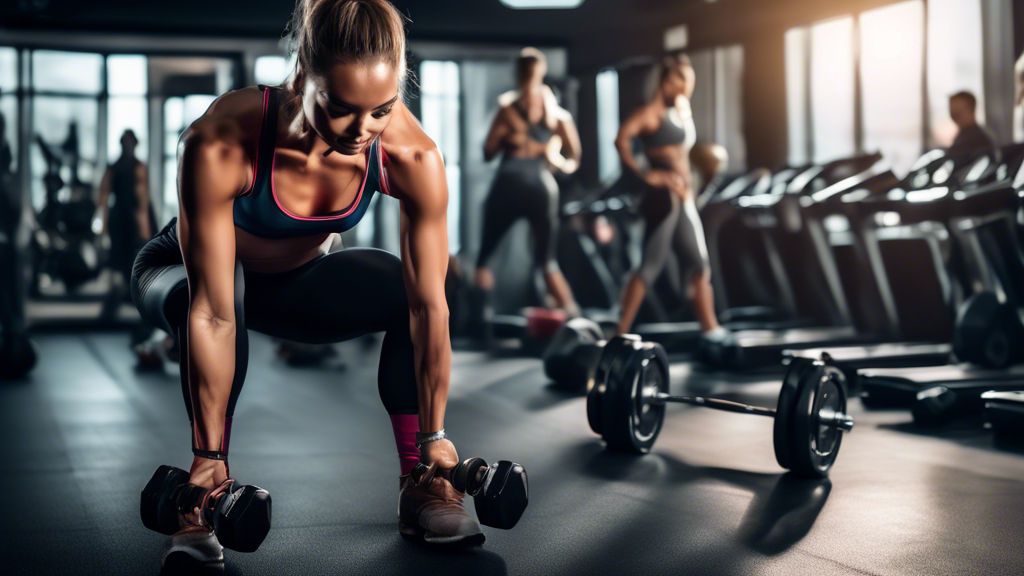
Dumbbells change home leg training significantly. They let you apply progressive overload — gradually increasing the load — which is the primary driver of muscle growth and strength development. This guide gives you three complete dumbbell programs for different experience levels, with specific exercises, sets, reps, and progression guidelines.
What Dumbbells Add That Bodyweight Can’t
With bodyweight training alone, you’re limited in how much load you can apply to your legs — eventually the exercises become too easy before they’re heavy enough to drive significant muscle growth. Dumbbells solve this. A 30-lb dumbbell goblet squat is a different training stimulus than a bodyweight squat, and you can keep increasing the weight as you get stronger.
You don’t need a full rack. A single pair of adjustable dumbbells (or two fixed pairs in different weights) is enough for all three programs below.
Program 1: Beginner — 3 Days Per Week
For people new to strength training or new to dumbbell work. The goal is learning the movement patterns before adding significant weight.
Recommended starting weight: Light enough that the last 2 reps of each set are challenging but completable with good form. For most beginners, this is 10–20 lbs per dumbbell for lower body exercises.
Full-body session (Monday, Wednesday, Friday):
- Goblet squat (hold one dumbbell at chest) — 3 × 12 (rest 90 sec)
- Romanian deadlift (RDL) with dumbbells — 3 × 10 (rest 90 sec)
- Dumbbell reverse lunge — 3 × 8 per leg (rest 90 sec)
- Dumbbell glute bridge (dumbbells resting on hips) — 3 × 15 (rest 60 sec)
- Single-leg calf raise (hold one dumbbell for balance) — 3 × 15 per leg (rest 45 sec)
How to progress: When you can complete all sets with the last 2 reps feeling easy, increase weight by 5 lbs. Do this for each exercise independently.
Program 2: Intermediate — 4 Days Per Week
For people who have been training consistently for 3–6+ months and can handle more volume and harder exercises. This program splits legs across two days for higher total volume.
Day 1 — Quad Focus (Monday):
- Dumbbell goblet squat — 4 × 8 (heavier than beginner program) (rest 2 min)
- Dumbbell Bulgarian split squat — 3 × 8 per leg (rest 2 min)
- Dumbbell step-up — 3 × 10 per leg (rest 90 sec)
- Dumbbell walking lunge — 3 × 10 per leg (rest 90 sec)
Day 2 — Upper Body (Tuesday)
Day 3 — Posterior Chain Focus (Thursday):
- Dumbbell Romanian deadlift — 4 × 8 (rest 2 min)
- Single-leg Romanian deadlift with dumbbell — 3 × 8 per leg (rest 2 min)
- Dumbbell hip thrust (shoulders on couch) — 4 × 12 (rest 90 sec)
- Dumbbell sumo squat (wide stance, dumbbell between legs) — 3 × 10 (rest 90 sec)
- Single-leg calf raise with dumbbell — 3 × 12 per leg (rest 60 sec)
Day 4 — Upper Body (Friday)
How to progress: Increase weight when you can complete all sets at the top of the rep range (e.g., 8 reps for an 6–8 rep exercise) with 1–2 reps left in the tank. Add 5 lbs and drop back to the lower end of the rep range.
Program 3: Advanced — 4–5 Days Per Week
For people who have been training seriously for 1+ year and need heavier loading and more complex movements.
Day 1 — Lower Body A (Monday):
- Dumbbell Bulgarian split squat — 4 × 6 per leg (heavy, rest 2–3 min)
- Dumbbell Romanian deadlift — 4 × 6 (heavy, rest 2–3 min)
- Dumbbell hip thrust — 4 × 10 (rest 90 sec)
- Nordic hamstring curl — 3 × 5 (rest 2 min)
- Single-leg calf raise with dumbbell + slow tempo — 4 × 10 per leg (rest 60 sec)
Day 3 — Lower Body B (Wednesday or Thursday):
- Dumbbell goblet squat with 3-sec pause at bottom — 4 × 6 (rest 2 min)
- Dumbbell single-leg RDL — 3 × 8 per leg (rest 2 min)
- Dumbbell lateral lunge — 3 × 8 per leg (rest 90 sec)
- Dumbbell step-up (elevated surface) — 3 × 8 per leg (rest 90 sec)
- Jump squat (bodyweight, for power) — 3 × 6 (rest 90 sec)
The Key Exercises Explained
Romanian Deadlift (RDL)
Stand holding dumbbells in front of your thighs. Keeping your back straight and a slight knee bend, hinge forward at the hips, lowering the weights along your legs until you feel a strong hamstring stretch. Drive your hips forward to return upright. Never round your lower back. This is the most important posterior chain exercise in any dumbbell program.
Dumbbell Bulgarian Split Squat
Rear foot elevated on a chair, hold dumbbells at your sides. Lower your rear knee toward the floor, keeping your front shin vertical. Drive through the front heel to return up. The most challenging single-leg dumbbell exercise and the most effective for quad and glute development.
Dumbbell Hip Thrust
Sit with your upper back against a couch, feet flat, place dumbbells across your hips. Drive your hips up until your body is parallel to the floor, squeeze glutes at top, lower with control. The primary exercise for glute isolation with load.
How to Know When to Increase Weight
A simple rule: if you can complete all prescribed reps on all sets and could have done 3+ more reps on the last set, the weight is too light. Add 5 lbs (or the smallest increment available) next session. If you can’t complete the prescribed reps with good form, the weight is too heavy. Drop 5 lbs.
Consistent progressive loading — adding weight over weeks and months — is the only thing that drives long-term leg and glute development. The specific exercises matter less than the consistent application of this principle.
Free tools to put this into practice
Build a full program around your goal, or plan the gear to support it — both are free and need no sign-up.
AI Workout Plan Builder
Home Gym Equipment Advisor
See all tools →

Written by
Simple Home Workout Editorial Team
Articles are written and edited by the Simple Home Workout editorial team. Content is researched using established exercise and fitness guidance and edited for clarity, practicality, and home-workout use. This is general educational information, not personalized medical, dietetic, or fitness advice.
View all posts →