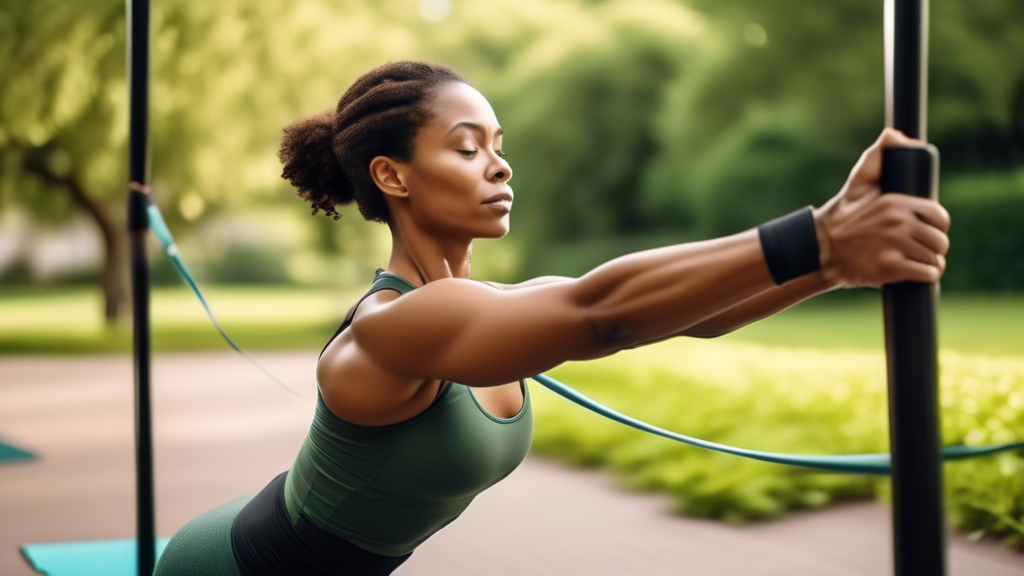
Building bigger arms at home is genuinely possible — people do it consistently. What it requires is the same thing that builds arms in a gym: progressive resistance, sufficient protein, and enough training volume over time. The equipment is different; the principles are identical.
What “Bigger Arms” Actually Means
Arm size comes from three muscle groups: biceps (front of upper arm), triceps (back of upper arm — about 60% of the arm’s total mass), and brachialis (sits beneath the biceps and pushes it upward). Most people focus only on biceps; to build genuinely larger arms, all three need progressive training.
The Best Home Arm Exercises
For Triceps (the Bigger Half)
Diamond push-up: Hands close under chest. Best bodyweight tricep exercise. 3 × 8–12.
Close-grip push-up: Shoulder-width hands, elbows tucked. 3 × 10.
Bench/chair dip: Hands on chair edge, lower until elbows at 90°. 3 × 10–12.
Overhead extension: Hold a filled water jug or heavy book behind head with both hands. Extend elbows, keeping upper arms fixed. 3 × 12.
For Biceps and Brachialis
Table row: Under a sturdy table, grip the edge, pull chest up. Biceps do significant work here. 3 × 10.
Backpack curl: Fill a backpack to 15–25 lbs with books. Hold by the top handle and curl — this is a real bicep curl. 3 × 12.
Towel row: Loop a towel around a door handle, lean back, pull toward anchor. 3 × 10.
Hammer curl with jug: Hold a filled gallon water jug (about 8.5 lbs) with thumb pointing up, curl. Targets the brachialis specifically — the muscle that makes arms look thick. 3 × 12 per arm.
Using Household Items as Weights
Don’t dismiss household loads. A gallon of water is 8.3 lbs. A large textbook is 3–5 lbs. A backpack loaded with books is easily 20–30 lbs. The muscle doesn’t know or care what the weight is made of — it responds to tension and load.
Fill a duffle bag with water bottles, grip it by the handle, and you have a usable implement for rows, curls, and carries. The load is adjustable and it costs nothing.
The Nutrition Side: What You Need to Eat
Training provides the signal. Nutrition provides the raw materials. Without enough protein, your muscles can’t rebuild between sessions — and they won’t grow meaningfully no matter how well you train.
Protein target: 0.7–1g per pound of bodyweight daily. At 165 lbs, that’s 115–165g of protein per day. Practical examples: 3 eggs (18g) + 1 cup Greek yogurt (17g) + 6 oz chicken (53g) + 1 cup cottage cheese (25g) = 113g. You’re close with one average meal added.
Calorie target: eat at maintenance or slightly above (+200–300 cal/day) for muscle growth. Trying to build significant muscle in a large deficit is mostly ineffective.
The 3-Day Program
Monday: Diamond push-up 3×10 → Table row 3×10 → Overhead extension 3×12 → Backpack curl 3×12
Wednesday: Close-grip push-up 3×10 → Towel row 3×10 → Bench dip 3×12 → Hammer curl 3×12
Friday: Repeat Monday with +2 reps or slightly more load in the backpack
The Honest Timeline
Visible arm growth takes 8–12 weeks of consistent training with adequate protein. Strength improvements come faster — within 2–4 weeks. People who say home training doesn’t build arms are typically either not applying progressive overload (making the work harder over time) or not eating enough protein. Fix both and the arms grow.
Free tools to put this into practice
Build a full program around your goal, or plan the gear to support it — both are free and need no sign-up.
AI Workout Plan Builder
Home Gym Equipment Advisor
See all tools →

Written by
Simple Home Workout Editorial Team
Articles are written and edited by the Simple Home Workout editorial team. Content is researched using established exercise and fitness guidance and edited for clarity, practicality, and home-workout use. This is general educational information, not personalized medical, dietetic, or fitness advice.
View all posts →